Professional IT support
We've solved the same IT headaches you're dealing with now, for hundreds of other Wiltshire businesses. Whether it's helpdesk support, network management, cloud solutions, cybersecurity or strategic IT consulting, get in touch and let's fix it.
Learn more ->IT Support
Outsourced IT Support Packages & Pricing Remote IT Support Proactive IT Support Switching Providers Pricing Estimator
Fully managed IT services
The technology behind your business should be invisible - until you need it. We manage it so it stays that way.
Learn more ->
Cyber Security services
Cybersecurity isn't a luxury item - it's the intelligent way to protect your business, your data, and your future.
Learn more ->Featured Posts
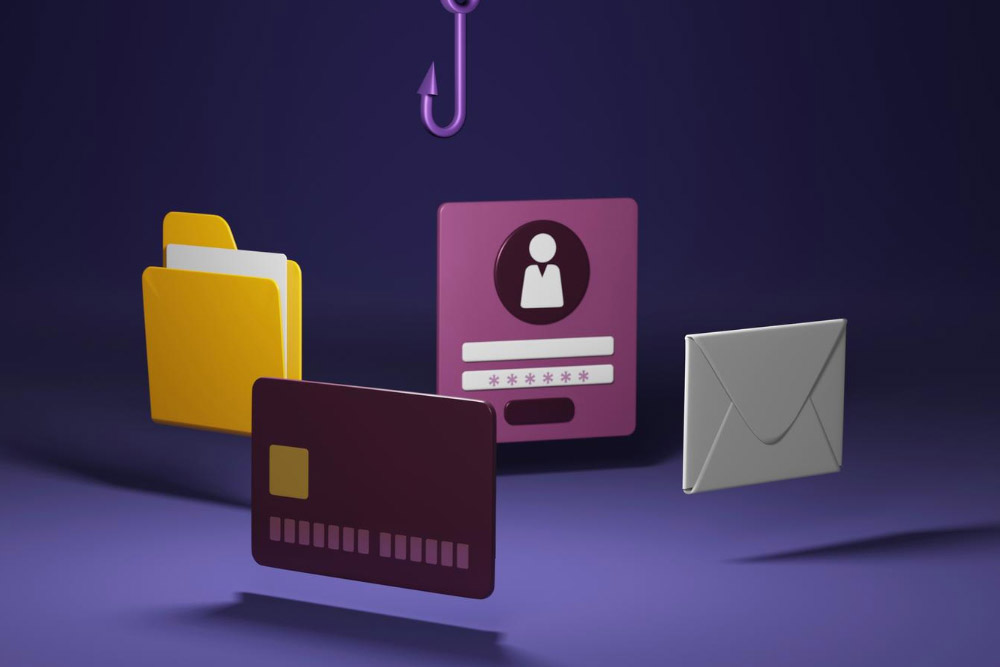
Combating Credential Theft
Read more ->
A safer alternative to passwords
Read more ->Frequently Asked Questions
The questions we get asked the most, answered straight in plain English.
Learn more ->Featured Posts

Navigating the AI Landscape
Read more ->
Managing AI risk without stifling innovation
Read more ->Our Vision
Our vision is to make the organisations we partner with the very best they can be.
Learn more ->Featured Posts

MFA Matters more now than ever
Read more ->
How we keep your systems secure
Read more ->Request free IT audit
 Written by: Daniel Brown
Date: 14-05-2026
Session cookie hijacking
Why MFA Isn't "Game Over"
Think of MFA as a sturdy front-door lock; it’s essential, but it isn’t the only way into the house. After you log in, your browser stay authenticated via a session token (usually a cookie). Think of it like a festival wristband: once you’ve passed security, the wristband proves you belong there. If a criminal steals that wristband, they can stroll right past your MFA.
This is session cookie hijacking. The attacker isn't "cracking" your MFA; they are simply replaying a session you’ve already authorised. While MFA is a vital upgrade, it isn't a silver bullet. Attackers now focus on circumventing the login process rather than beating it head-on. As Cloudflare and Microsoft note, modern incidents often involve "Adversary-in-the-Middle" (AiTM) attacks, where a proxy site intercepts your password and session cookie simultaneously. This isn't a flaw in MFA itself—it’s an exploit of what happens after the login.
How the hijack happens
Attackers treat session tokens as digital "master keys" to impersonate users. There are three primary methods:
AiTM Phishing
You log into a lookalike site that sits between you and the real service. The attacker relays the login in real-time, capturing the authenticated session cookie the moment you finish your MFA.
Browser-in-the-Middle (BitM)
According to Google Threat Intelligence, stealing a token is equivalent to stealing the session itself. Once stolen, the adversary "rides along" without ever needing to trigger an MFA challenge.
Endpoint theft
Sometimes, attackers simply pull session data directly from a compromised device. If your laptop is infected, those digital "keys" can be extracted and reused elsewhere.
Moving beyond the checkbox
MFA remains a non-negotiable baseline, but it shouldn't be your finish line. To defend against session theft, businesses must adopt layered controls:
- Phishing-resistant sign-ins (like FIDO2/Passkeys).
- Device hygiene to prevent local cookie theft.
- Tighter session policies (shorter timeouts and IP binding).
- Early detection to spot suspicious or replayed access patterns.
When these layers work together, MFA moves from being a simple checkbox to a robust foundation for a truly secure session. Contact us today to help secure your sessions against hijacking.




Tell us what's slowing your team down - we'll show you how to fix it
Our mission is to provide technology guidance, expertise and support to enable our customers to grow their business.
Start Here
One email a month. Real IT tips, not filler, unsubscribe any time.
By Subscribing you are agreeing to receive our IT updates newsletter released each Month. You will not receive anything else.